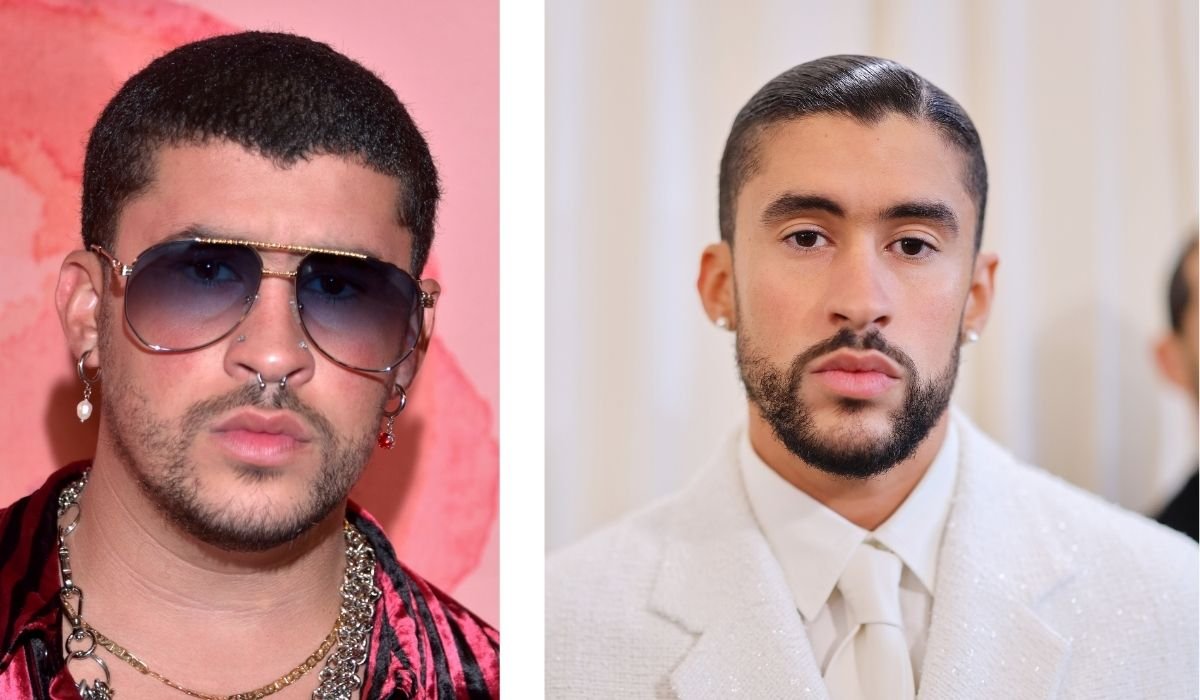

Benito Antonio Martínez Ocasio, globally recognized as Bad Bunny, has fundamentally reshaped the contemporary music industry by bridging linguistic and cultural divides. Emerging from Puerto Rico, this artist transitioned from a SoundCloud creator to a dominant force in the global charts, challenging traditional norms within reggaetón and Latin trap. His work transcends standard genre conventions, incorporating diverse sonic influences that resonate with a worldwide audience. By consistently prioritizing his native language and cultural heritage, he has empowered millions, turning Spanish-language urban music into a cornerstone of modern pop culture and global streaming success across multiple international music platforms.
| Quick Bio | Details |
| Real Name | Benito Antonio Martínez Ocasio |
| Birthplace | Vega Baja, Puerto Rico |
| Genre | Reggaetón, Latin Trap, Pop |
| Breakthrough | SoundCloud (2016) |
| Key Achievement | First Spanish-language album nominated for Album of the Year |
Origins in Vega Baja
The origins of Bad Bunny in the town of Vega Baja, Puerto Rico, provide the foundation for his authentic artistic identity. Growing up on the island, he was deeply influenced by the local rhythms that define Puerto Rican life, including the traditional plena genre. His early foray into the music scene involved uploading tracks to SoundCloud in 2016, a move that allowed him to connect directly with fans without the gatekeeping of major labels. This grassroots approach cultivated a loyal following that identified with his raw, unfiltered perspective on life, struggles, and the aspirations of young people in the diaspora.
Changing the Global Music Landscape
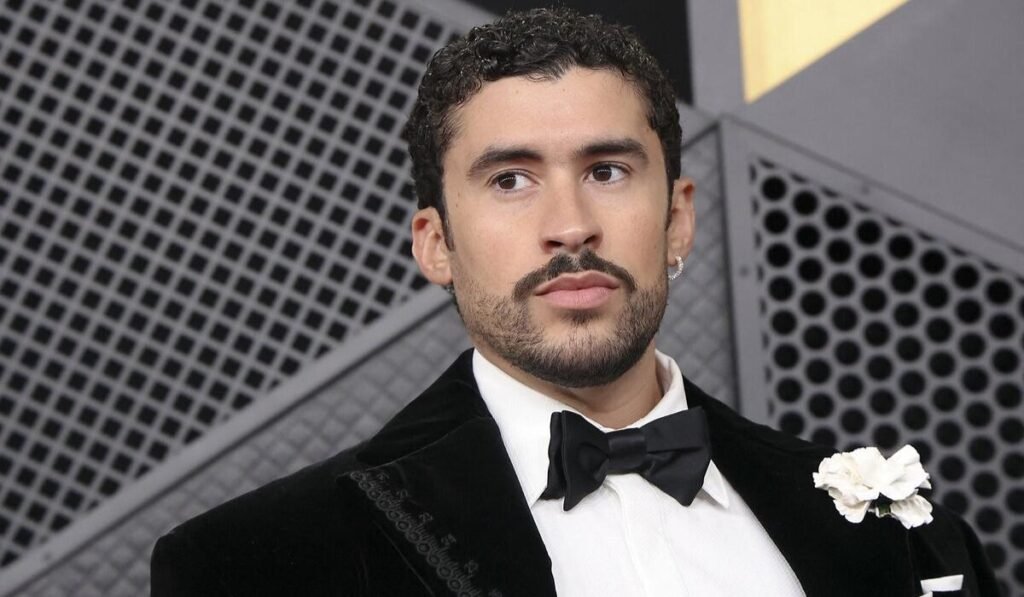
His rise to fame represents a significant shift in the geolinguistic axis of the mainstream music market. By refusing to conform to the traditional expectations of the reggaetón industry, he paved a path for Spanish-language artists to dominate spaces previously reserved for English-language performers. His ability to translate the local Puerto Rican experience into a transnational pop idiom has made him a cultural icon for the post-digital generation. This success is not merely numerical but symbolic, as he has effectively displaced established hierarchies, ensuring that Latin music is now recognized as a primary commercial and cultural force globally.
The Artistic Evolution of Sound
The musical evolution of Bad Bunny is characterized by his experimental approach to sound and production. While his early work focused on the aggressive, bass-heavy beats of Latin trap, he has since expanded his repertoire to include elements of pop, rock, and Afro-Puerto Rican traditional rhythms. This willingness to push boundaries allows him to maintain creative control over his public image and artistic output. By constantly evolving his sonic identity, he keeps his audience engaged while challenging their expectations, proving that he is not a static performer but a dynamic artist committed to continuous musical discovery and transformation.
Lyrical Depth and Social Commentary
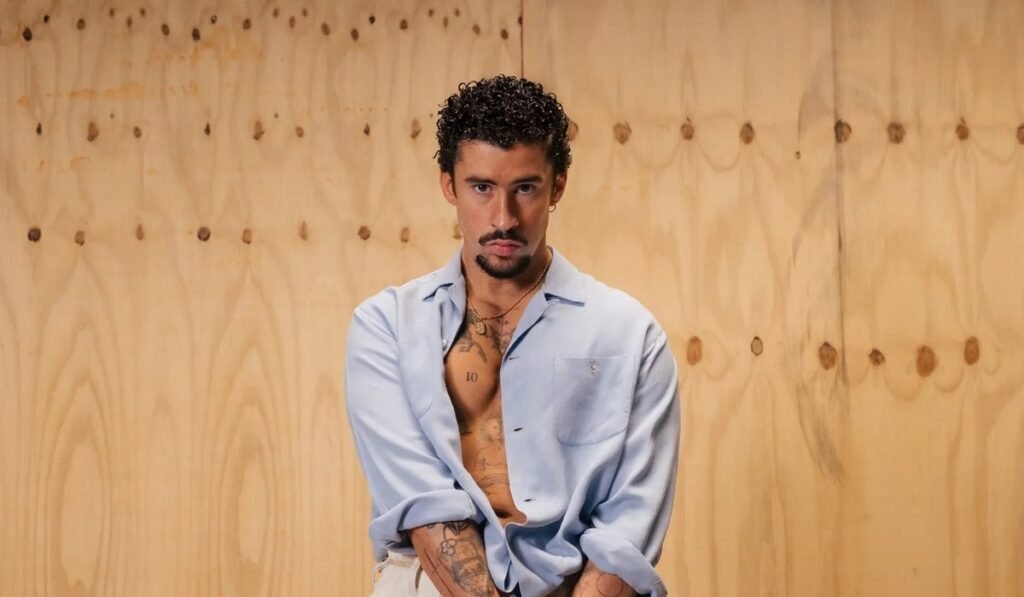
Beyond his catchy hooks and infectious beats, Bad Bunny is highly regarded for his lyrical depth and his willingness to address complex social themes. He often uses his platform to critique the colonial status of Puerto Rico, the island’s failing infrastructure, and the resilience of its people in the face of ongoing crises. Songs like “El Apagón” serve as both entertainment and political discourse, highlighting the frequent blackouts and socioeconomic struggles faced by those on the island. By weaving these narratives into his music, he transforms pop songs into powerful vehicles for awareness, education, and social commentary for his listeners.
Challenging Gender Norms
The artist has made a concerted effort to reject the hypermasculinity traditionally associated with reggaetón. In his music videos and public appearances, he challenges rigid gender norms, advocating for inclusivity, self-expression, and the subversion of patriarchal standards. This rejection of the “barriocentric macho” archetype is central to his appeal among younger, more progressive listeners who value authenticity and social justice. By embracing a more fluid and inclusive presentation, he has empowered his fans to express their own identities freely, further cementing his role as a champion for diversity and equality within the global music industry today.
Historic Milestones and Awards
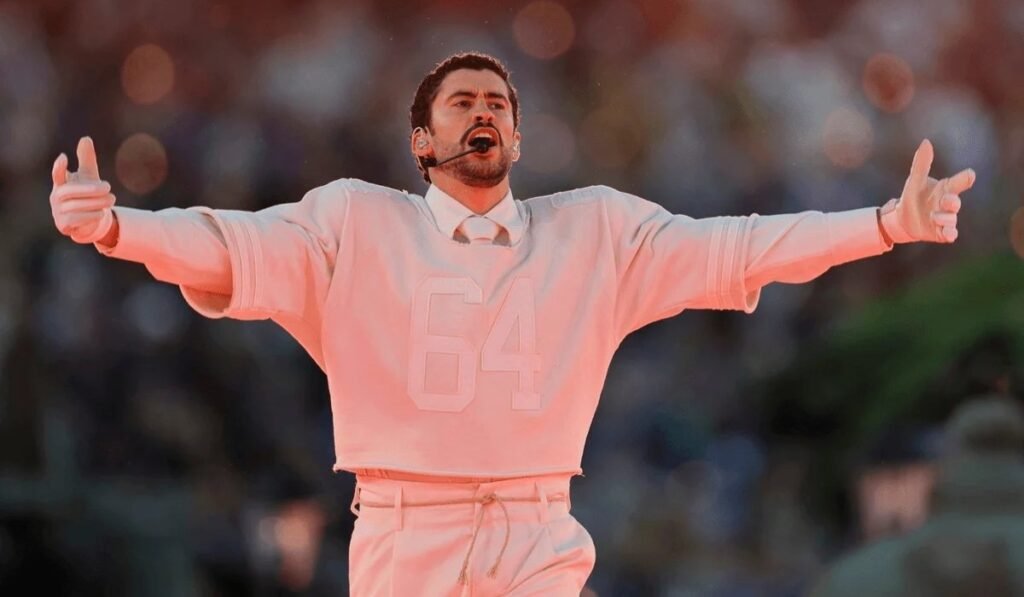
A major milestone in his career was the release of Un Verano Sin Ti, an album that broke numerous records and solidified his status as an industry titan. This project was the first Spanish-language album to ever be nominated for Album of the Year at the Grammy Awards, marking a historic achievement for Latin music. Beyond the accolades, the album is celebrated for its thematic resonance and its ability to capture the essence of a summer spent in the Caribbean. Its massive streaming success demonstrates that there is a insatiable global appetite for music that speaks to the heart of Latinx identity.
Collaborative Creative Process
The collaborative process behind Bad Bunny’s music often involves a close-knit team of producers and local musicians who help shape his sound. He frequently highlights his Puerto Rican roots by integrating traditional elements, such as plena, into his modern tracks. This focus on “los sobrinos”—the young musicians he collaborates with—shows his commitment to mentoring the next generation of Puerto Rican talent. By bringing these local sounds to the global stage, he ensures that the cultural legacy of his homeland is preserved and celebrated, while simultaneously pushing the boundaries of what modern urban music can achieve.
Influence on Higher Education
His influence extends far beyond the recording studio and into the realm of higher education and academic study. Professors at institutions like Wellesley College have developed entire curricula centered on his work, using his music to teach students about US colonialism, Latinx identity, and resistance. This academic recognition underscores the cultural significance of his career, proving that his impact is not limited to chart performance. By serving as an anchor for these courses, he encourages critical thinking and provides a unique lens through which students can understand complex political and social histories that they might not otherwise explore.
Dedication to Puerto Rican Identity
The relationship between Bad Bunny and his home country of Puerto Rico remains a cornerstone of his public persona. Even as he achieves unprecedented global success, he consistently reaffirms his patriotism and his commitment to the island’s political and social causes. His outspoken nature regarding issues of gentrification, environmental concerns, and the rights of Puerto Ricans demonstrates that he views his fame as a tool for advocacy. This dedication to his roots resonates deeply with his fans, who view him not just as a global superstar but as a steadfast representative of their culture and shared future.
Visual Storytelling and Media
Strategic use of media and visual culture has played a vital role in his career trajectory. Bad Bunny carefully constructs his public image through music videos that function as archives of Puerto Rican life, celebrations of community, and visual representations of his political stances. Each video is a carefully curated performance that adds layers of meaning to his songs, transforming them into immersive experiences for the viewer. This mastery of visual storytelling allows him to communicate complex ideas and emotions, ensuring that his message reaches a wide audience across various digital platforms and international territories effectively.
Dominating the Global Touring Circuit
His role as a touring artist is equally impressive, with his concerts setting records for gross revenue in the music industry. By staging two separate hundred-million-dollar-grossing tours in less than a year, he demonstrated that Latin artists could command the same level of market power as any English-language pop superstar. These tours were more than just musical performances; they were cultural events that brought together diverse crowds from all over the world. The energy and production value of these shows further solidified his reputation as a top-tier live performer capable of captivating stadiums on a global scale.
The Power of Language
The artist’s lyrical codemixing—the blending of Spanish and English—reflects the reality of the contemporary Latinx experience in the United States and beyond. By moving between languages, he creates music that bridges the gap for bilingual listeners while also making Spanish-language content accessible to a broader, global demographic. This sociophonetic approach is a testament to his understanding of the diverse, interconnected world we live in. His success proves that music does not need to be monolingual to be mainstream, and that authenticity in language is a powerful connector that transcends traditional media barriers and borders.
The Paradox of Mainstream Success
The “Bad Bunny Paradox” is a common subject of discussion among scholars and fans alike, referring to the tension between his massive corporate success and his roots in an underground, resistant musical tradition. Some critics question whether his mainstream status has distanced him from his original fan base, while others argue that his platform allows him to reach more people with his messages of resistance. Regardless of the stance, his ability to balance these conflicting identities is a hallmark of his career. He continues to navigate this space by remaining true to his aesthetic while expanding his reach.
Accumulating Industry Honors
Throughout his career, he has accumulated numerous prestigious awards, including multiple Grammys, Latin Grammys, and record-breaking chart entries. These honors are a reflection of his tireless work ethic and his constant innovation in the studio. Each accolade serves as a marker of the progress he has made for the Latin music industry as a whole. By consistently setting new standards for what an artist can achieve, he inspires upcoming musicians to pursue their dreams without compromising their identity, language, or cultural background, thereby ensuring a brighter, more inclusive future for the next generation of global stars.
Commitment to Marginalized Communities
His commitment to inclusivity extends to his advocacy for sexual, gender, and body diversity, which he integrates into his lyrics and performances. By using his voice to speak out for marginalized communities, he challenges the traditional conservatism often found in the music industry. This proactive approach to advocacy has made him a beacon of progress and acceptance for millions of fans worldwide. His ability to blend advocacy with high-energy, chart-topping music is perhaps his greatest strength, allowing him to impact both the social and the commercial spheres in a way that few other artists ever have.
Redefining Genre Boundaries
Despite the criticisms of the reggaetón genre by some traditionalists, Bad Bunny has successfully defended its artistic legitimacy and cultural value. He has elevated the genre by introducing intellectual rigor, sociopolitical critique, and sophisticated production techniques that push it beyond its roots. Through his efforts, he has transformed reggaetón into a respected form of artistic expression that is now studied in universities and celebrated by critics worldwide. This evolution is a direct result of his willingness to ignore the “rules” of the industry and create music that reflects his own vision and artistic integrity.
Future Projections and Ongoing Impact
His ongoing projects, including the release of new albums and collaborations, continue to generate massive anticipation and debate within the music community. Each new release is treated as a major event, with fans and critics analyzing the lyrics, themes, and production choices for signs of his next artistic phase. This level of engagement is rare for any artist, proving that his career is defined by a deep, symbiotic relationship with his audience. As he continues to grow, he will undoubtedly continue to challenge the status quo, redefine success, and leave an indelible mark on global music culture.
A Legacy of Cultural Transformation
The long-term legacy of Bad Bunny will likely be measured by the doors he opened for future generations of Spanish-language artists. By shattering records and defying expectations, he has built a foundation that makes it easier for others to succeed on their own terms. His career serves as a blueprint for how an artist can be both a commercial powerhouse and an outspoken advocate for social change. As he continues his journey, he remains a central figure in the conversation about identity, music, and the future of the global entertainment industry for years to come.
FAQS
- What is the real name of the artist known as Bad Bunny?
- His birth name is Benito Antonio Martínez Ocasio.
- Which genre did Bad Bunny help popularize globally?
- He is primarily known for revolutionizing the global reach of reggaetón and Latin trap.
- What historical achievement did his album Un Verano Sin Ti reach?
- It became the first Spanish-language album nominated for Album of the Year at the Grammy Awards.
- Where is Bad Bunny originally from?
- He was born and raised in Vega Baja, Puerto Rico.
- What social themes does he often include in his music?
- He frequently addresses Puerto Rican politics, colonialism, gender norms, and social resistance.