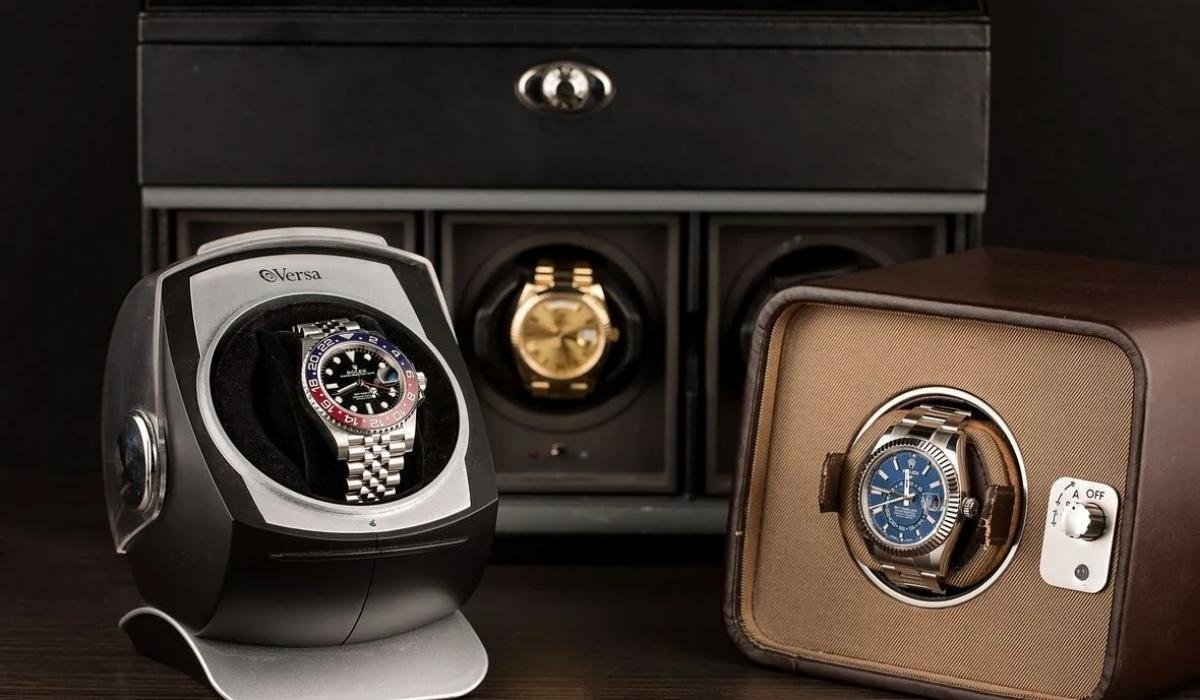

For horology enthusiasts, keeping a collection of automatic timepieces running smoothly is a significant challenge. Automatic watches are mechanical marvels that rely on the natural motion of your wrist to wind the internal mainspring, ensuring accurate timekeeping. However, when these are left stationary for extended periods, their power reserves deplete, causing them to stop. This is where high-quality watch winders become essential tools for any serious collector. By providing consistent, gentle rotation, these devices mimic the movement of your wrist, keeping your wound, accurate, and ready to wear at a moment’s notice without any hassle.
Quick Bio: Watch Winders
| Feature | Details |
| Primary Function | Keeps automatic watches wound by simulating wrist motion. |
| Compatibility | Automatic (self-winding) mechanical watches only. |
| Key Benefit | Prevents mainspring depletion and lubricant stagnation. |
| Key Settings | Turns Per Day (TPD) and rotation direction. |
Understanding the Mechanism of Automatic Watches
Automatic watches operate through an internal rotor that spins as you move your arm, transferring energy to the mainspring. This elegant mechanical process eliminates the need for manual winding or batteries. However, this system requires regular movement to function optimally. If left idle, the stops, which can lead to complications. For with features like perpetual calendars or moon phases, resetting the time and date after the movement has stopped can be a tedious and delicate process. A device designed for this purpose ensures that your prized timepieces remain in a constant state of operational readiness.
The Core Purpose of Using Professional Watch Winders

The primary utility of these devices is convenience, but they also offer significant mechanical benefits. By keeping the movement active, you prevent the internal lubricants from settling or drying out, which can happen if a watch sits dormant for too long. Proper movement helps maintain the delicate balance of the gear train, ensuring that the watch remains precise. Furthermore, using such a device eliminates the need for frequent manual resetting, which reduces the wear and tear on the crown and stem. For collectors with multiple luxury pieces, these devices provide an organized and safe storage solution.
Essential Components to Consider in Modern Winder Design
When selecting a suitable device for your collection, build quality is paramount. A high-end model should feature a whisper-quiet motor that ensures consistent performance without disturbing your environment. Premium construction materials such as solid wood, high-grade leather, or carbon fiber not only provide durability but also enhance the aesthetic appeal of your display. Additionally, look for models with adjustable cushions that can accommodate various strap sizes securely. The interior lining should be soft to prevent any scratching or damage to the case, ensuring that your timepieces remain in pristine condition throughout the rotation process.
Navigating Turns Per Day and Rotation Directions
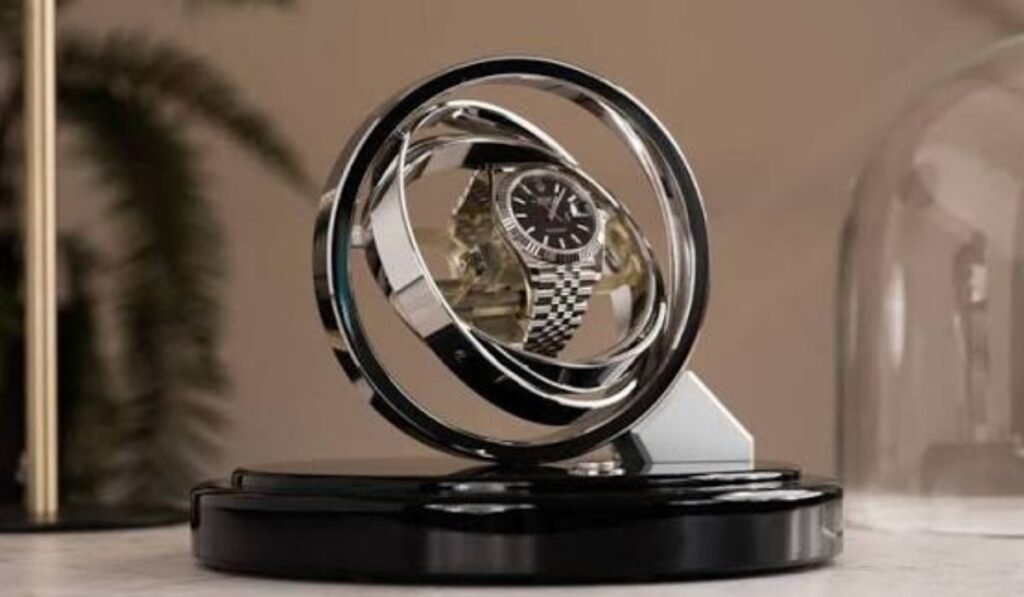
Customizable settings are a hallmark of a high-quality unit. Different watch movements require specific amounts of energy to remain wound. The most critical setting is the “Turns Per Day” (TPD), which dictates how many rotations the device performs in a twenty-four-hour period. Most automatic watches perform best within a range of six hundred to nine hundred TPD. Furthermore, your device must support different rotation directions, including clockwise, counter-clockwise, and bi-directional modes. Ensuring these settings align with your specific manufacturer’s recommendations prevents the risk of overwinding, which can potentially damage the internal components of your movement.
The Role of Programmable Rest Periods for Longevity
Constant motion is rarely the ideal solution for mechanical movements. Superior devices incorporate programmable rest periods that allow the watch to remain stationary for specific intervals throughout the day. This feature is crucial because it mimics the natural rhythm of human wear, where you are not moving your wrist at every single moment. These cycles prevent unnecessary strain on the winding mechanism and the mainspring. By balancing rotation with intermittent rest, you effectively replicate real-world wear conditions, which is the gold standard for maintaining the health and longevity of your favorite automatic timepieces over the long term.
Avoiding Potential Risks to Your Mechanical Investments
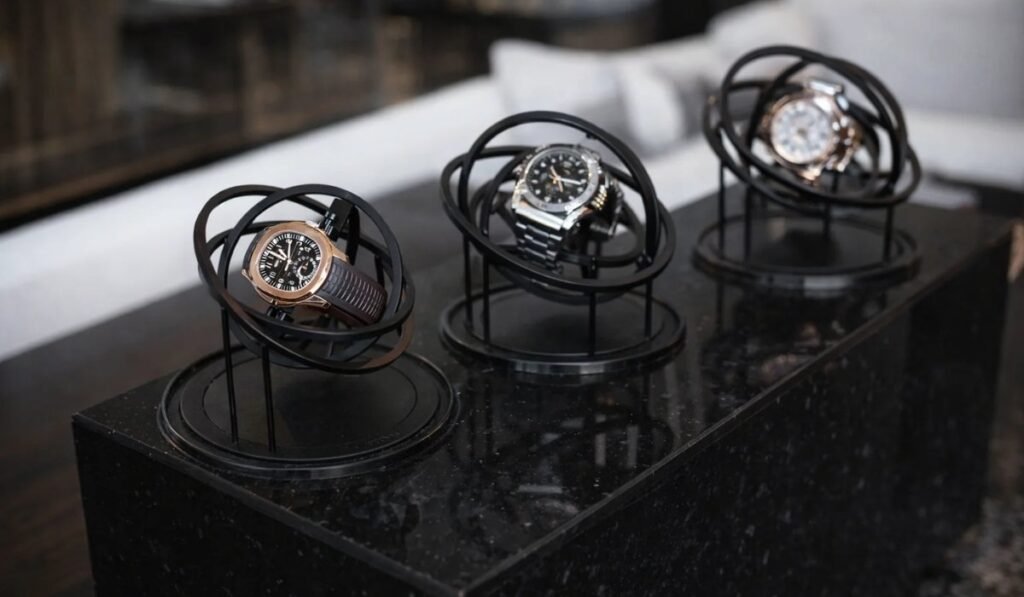
While these devices are incredibly useful, improper usage can lead to issues. One of the most common mistakes is using incorrect settings, which may lead to excessive wear on the clutch mechanism. It is vital to consult your watch’s manual or the manufacturer’s guidelines to determine the exact requirements for your specific caliber. Furthermore, avoid placing manual-wind-only watches or quartz timepieces in these units, as they are not designed to handle the rotary motion. By using the equipment responsibly and ensuring your settings are calibrated correctly, you can avoid any potential damage to your valuable horological investments.
Selecting the Perfect Capacity for Your Expanding Collection
Whether you are a beginner with one watch or a seasoned collector with dozens, there is a device to suit your needs. Single-slot options are excellent for enthusiasts who focus on one daily wearer, while multi-slot units cater to larger collections. Modular systems are particularly popular, as they allow you to expand your storage capacity as your collection grows. Consider the footprint of the device in relation to your available space, whether it will reside on a nightstand, a desk, or inside a secure safe. Capacity should always be balanced with the need for individual motor control.
Protecting Complications with Consistent Winding Cycles
Watches featuring complex complications, such as annual calendars, perpetual calendars, or multi-time-zone displays, benefit most from these devices. Setting these intricate movements manually is a time-consuming and error-prone process that often requires a visit to a professional watchmaker. By keeping the watch running continuously, you ensure that these complex calendar functions remain perfectly synced. This not only saves you significant time and frustration but also minimizes the handling of the crown, which is a common source of mechanical fatigue. For collectors of high-complication watches, a reliable winding solution is truly an essential investment.
Aesthetic Appeal and Displaying Your Timepiece Collection
Beyond their mechanical utility, these devices serve as beautiful display cases. Many collectors view their timepieces as art, and these units allow you to showcase your watches while they are being maintained. With glass covers, interior lighting, and luxurious finishes, a quality unit acts as a focal point for your watch collection. Some models are even designed to be integrated into home decor, blending seamlessly with your furniture. Choosing a unit that reflects your personal style ensures that your watches are not only kept in perfect running order but are also presented with the elegance they deserve.
Tips for Initial Setup of Your New Winding Unit
Once you have acquired your new device, the initial setup process is crucial. Begin by manually winding your watch using the crown to ensure it has a full power reserve before placing it on the cushion. Once the watch is mounted, ensure it is centered correctly to prevent any wobble during rotation. After powering on the unit, observe it for a few cycles to confirm that the rotation is smooth and consistent. Within the first forty-eight hours, check the accuracy of your watch to verify that your chosen TPD and direction settings are effectively maintaining the power reserve.
The Significance of Silent Motor Technology in Living Spaces
If your device is going to be located in a bedroom or a quiet office, the noise level is a major factor to consider. Low-quality motors can produce a humming or clicking sound that becomes intrusive over time. Leading manufacturers prioritize silent or near-silent operation to ensure the unit remains discreet. Investing in a model with high-quality, noise-dampened components is essential for a peaceful home environment. A silent device allows you to keep your watches close by, ready for use, without compromising the quietude of your personal space or your ability to relax.
Maintaining Your Device for Years of Optimal Service
Regular maintenance of your winding unit is just as important as maintaining your watches. Periodically dust the exterior and ensure that the interior cushions remain clean and free of debris. Wipe down the glass or display area with a soft, non-abrasive cloth to keep it looking new. Check the power cord or battery compartment for any signs of wear to ensure consistent electrical flow. If the device has mechanical parts like belts or gears, follow the manufacturer’s recommendations for any required servicing. Proper care of the unit ensures that your watches continue to receive the care they need.
Understanding the Differences Between Winders and Storage
It is important to distinguish between a simple storage box and a functional winder. A storage box merely protects your watches from dust and physical impact, whereas a winder actively engages with the internal mechanism of the watch. While you do not need to wind every watch in your collection, those that you rotate frequently are the primary candidates for a winder. For watches that you do not plan to wear for a long time, it is often better to let them stop and store them in a secure case to preserve the longevity of their lubricants and gears.
The Role of Battery Power vs AC Adapters
The power source of your device dictates where it can be placed. AC-powered units offer continuous, worry-free operation but must be located near an electrical outlet. Battery-powered alternatives provide greater flexibility, allowing you to place your unit inside a safe or on a shelf without the need for cables. Some modern units offer both options, providing the ultimate in convenience. When choosing, consider your specific needs—do you prioritize the set-it-and-forget-it nature of an AC unit, or the portability of a battery-operated system? Your choice should reflect your display location and lifestyle requirements.
Why Quality Matters When Protecting Luxury Timepieces
When it comes to your watches, cutting corners on maintenance equipment is rarely a good idea. A cheap, poorly engineered device can lead to erratic rotation, overwinding, or even mechanical damage if the cushions are not secure. Luxury watches represent significant financial and sentimental investments, and they deserve reliable protection. By purchasing from reputable brands known for quality and precision, you gain peace of mind knowing that your timepieces are in good hands. A durable unit provides a secure, steady environment that will protect your investment for many years, justifying the initial cost of a premium product.
The Balance Between Convenience and Mechanical Wear
There is an ongoing debate among collectors regarding whether constant winding increases mechanical wear. While the movement of the watch is meant to be active, keeping a watch running for years without any breaks can lead to faster depletion of lubricants compared to letting it rest. The key is balance: use your unit for the watches you wear in your regular rotation, but let pieces you rarely wear remain stationary. By using your device intelligently, you can enjoy the ultimate convenience of always-ready watches while still respecting the natural service intervals of your mechanical movements.
Choosing the Right Cushion Size for Your Bracelets
One of the most overlooked aspects of choosing a device is the cushion system. If you have a large wrist, you need a cushion that can accommodate a wide bracelet circumference without stretching the links. Conversely, if you have a smaller wrist, a bulky cushion may be impossible to close. Many high-end manufacturers offer various cushion sizes or flexible designs to solve this problem. Before making your purchase, check the product specifications regarding the minimum and maximum bracelet size. A secure, comfortable fit is essential for preventing the watch from slipping during the winding process.
Final Thoughts on Enhancing Your Horological Experience
Investing in a reliable device is a natural step for any watch enthusiast. It simplifies your life by keeping your collection ready and organized, while simultaneously protecting the delicate internal systems of your automatic watches. By understanding the importance of TPD, rotation direction, and build quality, you can choose a unit that serves your needs perfectly. As you continue your journey in the world of horology, remember that the goal is to enjoy your timepieces. A high-quality winder is the perfect companion to ensure your watches are always there, ticking away, whenever you are ready to wear them. For more information, visit the automatic watches.
FAQS
- Does a winder prevent the need for manual winding?
- Yes, it keeps your automatic watch running so you don’t have to manually wind it when you pick it up.
- Can a winder damage my watch if left on too long?
- No, as long as you use the correct TPD and rotation settings to avoid overwinding your movement.
- Are these devices suitable for all types of watches?
- No, they are designed exclusively for automatic (self-winding) watches and do not work for quartz or manual-only movements.
- How do I know the correct settings for my specific watch?
- You should consult your watch manufacturer’s specifications or search for your movement caliber’s winding requirements online.
- Is it better to have a single or multi-watch unit?
- It depends on your collection size and whether you need to maintain multiple watches for regular daily rotation.