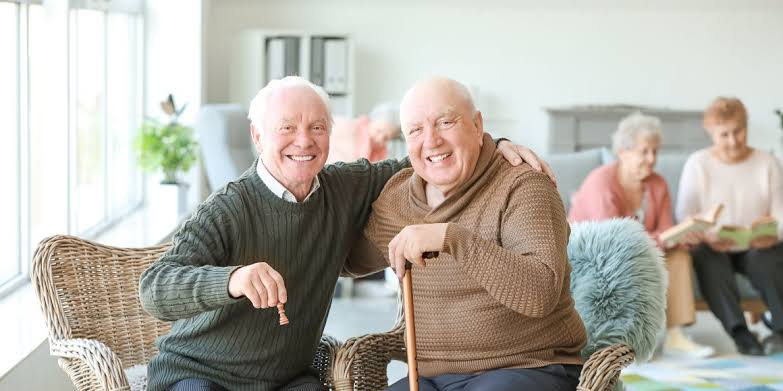

So how do you measure a successful day once you’re past 70? It’s genuinely not the same calculation someone in their thirties or fifties runs. Priorities shift. Energy behaves differently. What actually feels satisfying looks nothing like it used to. Getting clear on what a genuinely good day means at this stage — rather than defaulting to outdated templates or other people’s expectations — is what lets older adults build routines that serve their real needs.
Physical Wellness and Movement
Most good days after 70 start with some honest attention to physical health. Honest being the operative word. Nobody’s demanding a marathon here. Movement just needs to feel manageable — something that energizes rather than depletes. A morning walk around the block. Some gentle stretching. Gardening, sweeping, even a slow trip through the grocery store. These things count. They maintain strength and flexibility in ways that actually stick.
Consistency beats intensity. Every time. Someone walking 30 minutes most mornings will fare better than someone who occasionally overdoes it and pays for it the next three days. Pain management enters the picture too — medications on schedule, heat or ice when the body calls for it, respecting what you can and can’t handle on a given afternoon. Breaking movement into smaller chunks throughout the day? For many people, that’s just smarter. Stiffness stays lower. The whole thing feels less like a chore.
Meaningful Social Connection
Isolation is a real danger after 70. Not a hypothetical one. A good day almost always involves some genuine contact with other people — a phone call with family, lunch with a friend, showing up to something in the community. Doesn’t have to be elaborate. One honest conversation with someone you trust can shift your entire mood.
But connection beyond the personal matters too. Volunteering. A faith community. A book club, a hobby group, anything that puts you inside something bigger than your own four walls — that kind of involvement stacks purpose on top of companionship. Consider someone teaching a craft at a neighborhood center, or showing up weekly at an animal shelter. They’re pulling in connection, structure, and a sense of contribution all at once. Quality beats quantity here, no question. But some form of regular human contact isn’t optional if the day’s going to feel genuinely good.
Mental Engagement and Purpose
A good day includes time spent on something that actually works your mind. Reading, puzzles, learning a skill, chasing a creative project. This is often when people finally pursue things they shelved during the working years — the painting class, the genealogy rabbit hole, the memoirs that have been sitting in the back of their head for decades.
Mental engagement pushes back against cognitive decline and gives the day shape. It creates a sense of forward movement. For families managing more significant cognitive changes alongside the goal of daily enrichment, SHINE® Memory Care in Freehold offers structured programming built around purposeful mental engagement and meaningful daily routines for residents living with memory loss. Even an hour spent on something genuinely interesting — something that demands real thinking or creativity — tends to produce more reported satisfaction than several passive hours in front of a screen. What the activity is matters less than whether it grabs your attention and asks something real of you.
Rest and Self-Care Without Guilt
Here’s something people resist hearing: rest is not laziness. Full stop. A good day after 70 absolutely includes adequate sleep and recovery time. Your body needs more of both than it once did — and that’s not a character flaw. An afternoon nap. An earlier bedtime. An hour of simply sitting without an agenda. None of that is a failure of productivity. It’s what makes the rest of the day possible.
Self-care runs deeper than rest, too. Regular meals. Actual hydration. Keeping up with medical and dental appointments. Managing chronic conditions without letting them swallow your whole day. A good day might mean cooking something you genuinely enjoy eating, spending a few minutes on personal grooming, or settling into a space that feels calm and quiet. People over 70 consistently report that truly dropping the guilt around rest — not just intellectually accepting it, but actually letting it go — increases their capacity for the more active parts of life. The irony is real.
Moments of Joy and Gratitude
Small things matter enormously now. Coffee on the porch. A dog settling against your leg. Birds at the feeder. Something absurd that makes you laugh out loud. These aren’t filler between the important parts of the day — they often are the important parts. Larger moments count too: a grandchild’s recital, a dinner with old friends, finishing something you’ve been working toward for months.
What matters is actually noticing them. Pausing. Many people over 70 find that deliberately taking stock of what went well — even just mentally naming three things before bed — meaningfully shifts their overall sense of well-being. No elaborate ritual required. No formal meditation practice. Just a few minutes of honest attention to what the day actually held. It changes the texture of the whole thing.
Conclusion
A good day after 70 looks nothing like the productivity-driven, packed schedule of earlier decades. It balances manageable movement with genuine rest. It includes real connection with other people. It engages the mind in something purposeful. And it makes room — deliberately — for joy and gratitude. The specifics vary wildly depending on health, personality, circumstances, and what a person actually values. That variation is fine. What matters is that the day feels true to who you are and what you actually need right now. When older adults organize around those principles, rather than straining to match the pace of younger years, they tend to report better health, deeper satisfaction, and a sense of purpose that outlasts any single good morning.