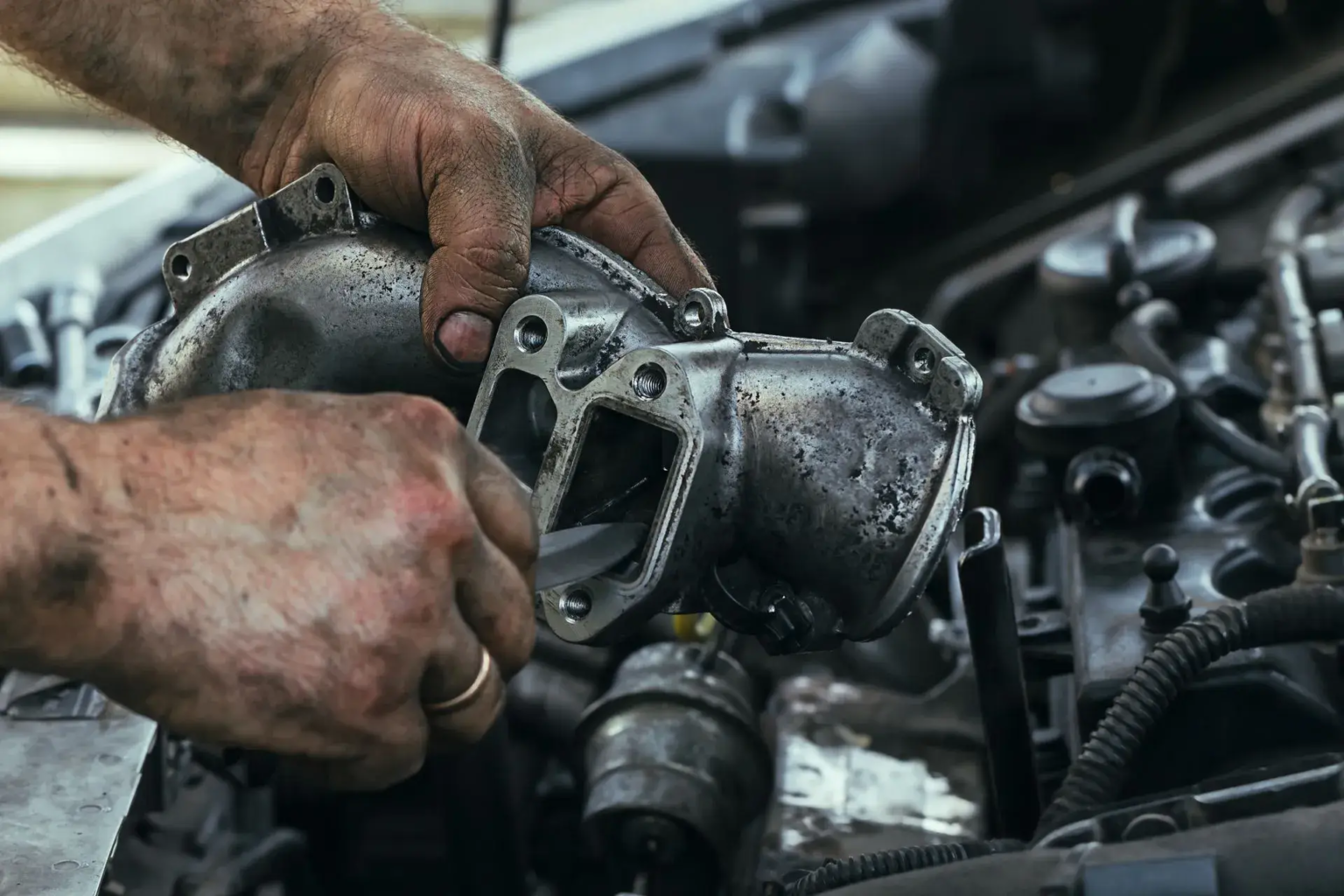

Modern diesel vehicles are engineered with advanced emissions control systems designed to reduce harmful pollutants and improve environmental performance. Among the most important of these systems are the Exhaust Gas Recirculation (EGR) valve and the Diesel Particulate Filter (DPF). While both components play a crucial role in reducing emissions, they can also become sources of performance issues when not properly maintained.
Many vehicle owners focus on regular oil changes, tire maintenance, and brake inspections, but often overlook the importance of emissions-related components. Neglecting these systems can result in reduced fuel economy, poor engine performance, increased emissions, and expensive repair bills. Understanding how EGR valves and DPF systems work can help drivers make informed decisions about maintenance and avoid unnecessary costs.
What Is an EGR Valve?
The Exhaust Gas Recirculation valve, commonly known as the EGR valve, is a component designed to reduce nitrogen oxide (NOx) emissions. It works by redirecting a portion of the engine’s exhaust gases back into the combustion chamber. This process lowers combustion temperatures, which helps reduce the formation of harmful emissions.
In modern diesel engines, the EGR system operates continuously under specific driving conditions. Over time, however, soot, carbon deposits, and oil residues can accumulate inside the valve and associated passages. These deposits may restrict airflow and prevent the valve from operating correctly.
When an EGR valve becomes clogged, drivers may experience rough idling, hesitation during acceleration, reduced fuel efficiency, increased emissions, and dashboard warning lights. In severe cases, the engine may enter limp mode to protect itself from further damage.
Why EGR Valve Cleaning Is Important
Regular cleaning of the EGR valve can restore proper airflow and improve engine performance. Instead of immediately replacing a faulty valve, many technicians recommend cleaning as a cost-effective first step.
Carbon buildup is one of the most common causes of EGR-related issues. Removing these deposits helps restore the valve’s movement and functionality. This can improve throttle response, reduce smoke emissions, and enhance fuel economy.
Vehicle owners often ask about the EGR valve cleaning cost when deciding whether maintenance is worthwhile. In many situations, cleaning is significantly less expensive than replacing the entire valve assembly. The actual expense varies depending on the vehicle model, accessibility of the valve, labor rates, and the extent of contamination.
Routine cleaning can also extend the lifespan of related components and reduce the likelihood of more extensive engine repairs in the future.
Common Symptoms of a Dirty EGR Valve
Recognizing the warning signs of EGR valve contamination can help prevent larger problems. Some of the most common symptoms include:
- Rough or unstable engine idle
- Poor acceleration
- Increased fuel consumption
- Excessive exhaust smoke
- Check engine light activation
- Engine hesitation during driving
- Reduced engine power
Drivers experiencing these issues should consider having the EGR system inspected by a qualified technician. Early intervention can often prevent more serious complications.
Understanding Diesel Particulate Filters
The Diesel Particulate Filter, or DPF, is another critical emissions control component found in modern diesel vehicles. Its primary function is to capture and store soot particles generated during combustion before they can be released into the atmosphere.
The filter contains a honeycomb-like structure that traps particulate matter. Over time, this trapped soot accumulates and must be removed through a process known as regeneration.
Without successful regeneration, the filter can become blocked, restricting exhaust flow and negatively affecting engine performance.
How DPF Regeneration Works
DPF regeneration is the process of burning accumulated soot at high temperatures. There are generally three types of regeneration:
Passive Regeneration
Passive regeneration occurs naturally during normal driving conditions when exhaust temperatures become high enough to burn off soot deposits. Long highway journeys often provide the ideal conditions for passive regeneration.
Active Regeneration
When passive regeneration is insufficient, the vehicle’s engine management system initiates active regeneration. Additional fuel is injected to increase exhaust temperatures and burn away accumulated soot.
Forced Regeneration
If the filter becomes excessively clogged, a professional technician may perform a forced regeneration using specialized diagnostic equipment. This process helps restore the filter’s functionality when normal regeneration methods have failed.
Causes of DPF Blockage
Several factors contribute to DPF problems. Understanding these causes can help drivers avoid premature failures.
Frequent Short Trips
Short-distance driving often prevents the engine from reaching temperatures necessary for effective regeneration. As a result, soot continues to accumulate inside the filter.
Low-Speed Urban Driving
Vehicles primarily used in stop-and-go traffic may struggle to achieve the conditions needed for passive regeneration.
Engine Faults
Problems such as faulty injectors, turbocharger issues, or malfunctioning sensors can increase soot production and accelerate DPF blockage.
Poor Maintenance Practices
Skipping routine servicing can lead to excessive engine deposits, negatively affecting both the DPF and EGR systems.
Signs That Your DPF Needs Attention
A clogged DPF can trigger several warning signs. Drivers should monitor for:
- DPF warning light illumination
- Reduced engine power
- Increased fuel consumption
- Engine entering limp mode
- Excessive exhaust smoke
- Difficulty maintaining speed
- Unusual engine behavior
Ignoring these symptoms can eventually lead to costly repairs or even DPF replacement.
Professional DPF Maintenance Services
Professional maintenance services play a vital role in keeping diesel vehicles operating efficiently. Technicians use advanced diagnostic equipment to assess filter condition and determine the most appropriate treatment.
A BMW DPF regeneration service is particularly valuable for owners of diesel BMW models that frequently operate in urban environments. These vehicles often rely on sophisticated emissions systems that require proper maintenance to maintain optimal performance.
Professional regeneration services can remove accumulated soot, restore exhaust flow, and help prevent costly filter replacement. Technicians can also identify underlying issues that may be contributing to excessive soot buildup.
The Relationship Between EGR and DPF Systems
Although the EGR valve and DPF perform different functions, they are closely connected. Problems in one system can often affect the other.
For example, a malfunctioning EGR valve may increase soot production due to improper combustion conditions. This additional soot can accelerate DPF clogging and place greater strain on the regeneration process.
Similarly, a blocked DPF can increase exhaust backpressure, potentially affecting EGR system performance.
Because of this relationship, technicians often inspect both systems when diagnosing emissions-related issues.
Preventative Maintenance Tips
Vehicle owners can take several proactive steps to reduce the risk of EGR and DPF problems.
Drive at Highway Speeds Regularly
Occasional highway driving helps raise exhaust temperatures and promotes passive DPF regeneration.
Use High-Quality Fuel
Premium diesel fuel often contains detergents that help reduce deposit formation and improve combustion efficiency.
Follow Manufacturer Service Schedules
Routine maintenance ensures that engine components remain in optimal condition and minimizes excessive soot production.
Address Warning Lights Promptly
Ignoring dashboard warning lights can allow minor issues to develop into expensive repairs.
Monitor Engine Performance
Changes in fuel economy, acceleration, or exhaust smoke may indicate developing problems that require professional attention.
Financial Benefits of Preventative Maintenance
Preventative maintenance is often significantly less expensive than major repairs. Cleaning an EGR valve, performing routine inspections, and ensuring proper DPF regeneration can extend component lifespan and improve overall vehicle reliability.
When drivers postpone maintenance, they risk facing expensive replacements of emissions-related components, turbochargers, injectors, or other engine systems affected by excessive soot accumulation.
Investing in routine inspections can also improve fuel economy, reducing operating costs over the life of the vehicle.
Environmental Benefits
Beyond financial considerations, maintaining emissions systems helps reduce environmental impact. Properly functioning EGR valves and DPF filters significantly reduce harmful pollutants released into the atmosphere.
By ensuring these systems operate effectively, drivers contribute to cleaner air and compliance with emissions regulations. This is especially important as governments worldwide continue to enforce stricter environmental standards for diesel vehicles.
Choosing a Qualified Service Provider
Selecting an experienced technician is essential when dealing with emissions control systems. Modern diesel engines are highly sophisticated, and accurate diagnosis requires specialized knowledge and equipment.
A reputable service provider will perform comprehensive inspections, explain recommended repairs clearly, and use appropriate cleaning or regeneration procedures. They can also identify related issues that may be affecting system performance.
Vehicle owners should look for technicians with experience working on their specific make and model, particularly when dealing with premium manufacturers that utilize advanced emissions technologies.
Conclusion
The EGR valve and Diesel Particulate Filter are essential components in modern diesel vehicles. Together, they help reduce emissions, improve environmental performance, and ensure compliance with regulatory standards. However, both systems require proper maintenance to function effectively.
Understanding the importance of EGR cleaning and DPF regeneration allows vehicle owners to make informed decisions about preventative maintenance. Addressing issues early can improve fuel efficiency, enhance performance, reduce emissions, and prevent costly repairs.
Whether considering the EGR valve cleaning cost or scheduling a BMW DPF regeneration service, proactive maintenance remains one of the smartest investments a diesel vehicle owner can make. By keeping these systems in optimal condition, drivers can enjoy greater reliability, improved performance, and lower long-term ownership costs.